There’s a small, warm thrill that hits the first time you step into Fellowship’s hub and look at the hero portraits lined up like a row of champions waiting for some grand bargain. The music murmurs from a tavern, and the noticeboard promises dungeons that change every time you blink — a design choice that says plainly: here, the game starts at the good part. Fellowship is intentionally built around quick, repeatable dungeon runs for teams of four; this isn’t an open-world time-sink, it’s an invitation to the shared joy of calculated chaos.
This Fellowship Beginner’s Guide will walk through the essential knowledge you need to mastering your role in combat, this is your first step toward leaving your own legend on the Fellowship.
The First Steps in Fellowship
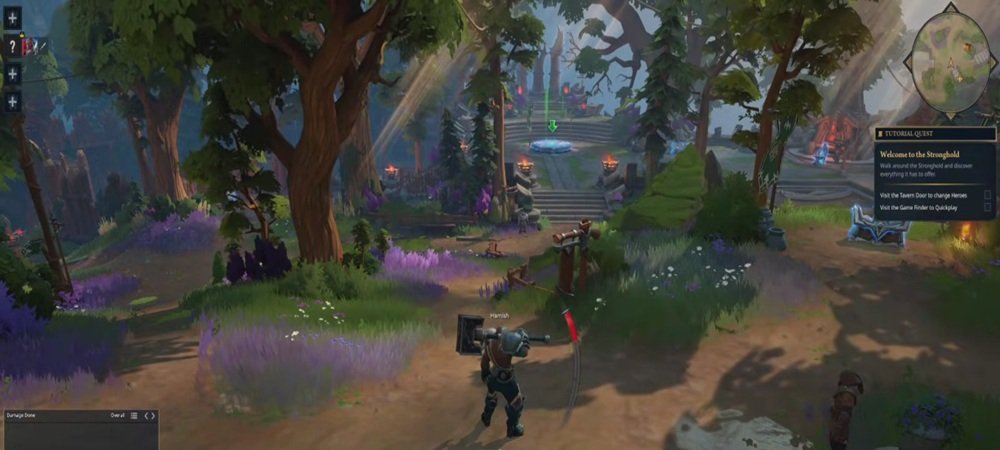
The first thing you’ll learn is that your adventure doesn’t begin in a dank cave or a sun-scorched desert; it begins in the Stronghold. This vibrant hub is your command center, your sanctuary, and your arsenal all in one. Before you get swept up in the urge to queue for your first dungeon, take a moment to familiarize yourself with its key locations.
- The Blacksmith: This is where your gear grows in power. You can spend gold to upgrade any piece of equipment, directly increasing its item level and your hero’s potency.
- The Scrapper: You will inevitably collect duplicate or outdated gear. Instead of letting it clog your inventory, visit the Scrapper to break it down into gold, fueling your future upgrades.
- Quartermaster Novak: For a new hero with empty gear slots, this vendor is your first stop. He sells starter gear for a currency called Supplies, helping you fill every slot quickly.
- The Training Dummies: Tucked away in the Stronghold are combat dummies. Use them! They are the perfect place to test your keybinds, practice your ability rotations, and understand the unique rhythm of your chosen hero without the pressure of a live dungeon.
Your early goal is straightforward: gear up and learn your role. Don’t rush into the hardest content immediately. Use the Stronghold’s amenities to build a solid foundation.
Progression and Combat
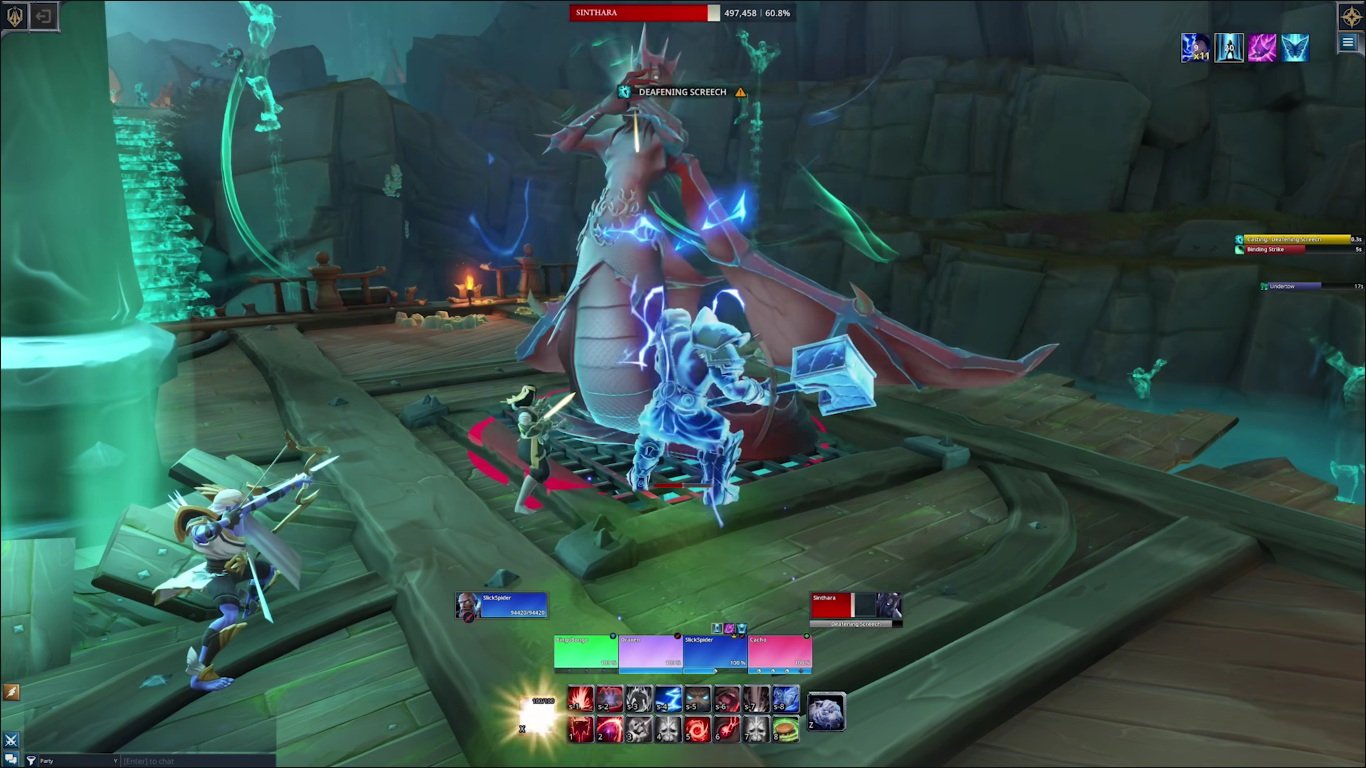
Fellowship distills the MMO experience into a pure, rewarding loop. Your power comes not from a character level, but from a combination of your gear, your talents, and most importantly, your personal skill.
Dungeons and the Talent System
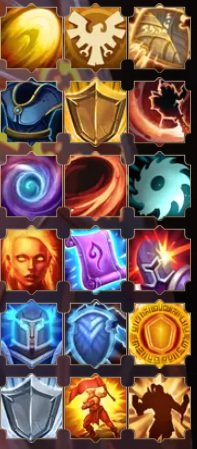
The core loop is satisfyingly direct: you queue for a dungeon, clear enemies to summon the final boss, defeat it, and claim your loot. To advance, you must understand the two primary game modes:
- Quickplay: This is your low-pressure training ground. Your personal gear is equalized, making it the perfect place to experiment with a new hero or just have a relaxed run. It rewards you with tokens, an account-wide currency perfect for gearing up alternate heroes.
- Challenger Mode: This is the heart of the endgame and your primary source of gear progression. Here, you climb through difficulty tiers, each with escalating challenges and better loot.
As you progress, you’ll also unlock a talent system that provides long-term power growth. One track progresses simply by completing dungeons, unlocking new abilities and talent rows. The other track is tied to your performance in Challenger Mode, granting additional talent points and rewards as you increase your Dungeon Score.
Knowing Your Role and Your Heroes
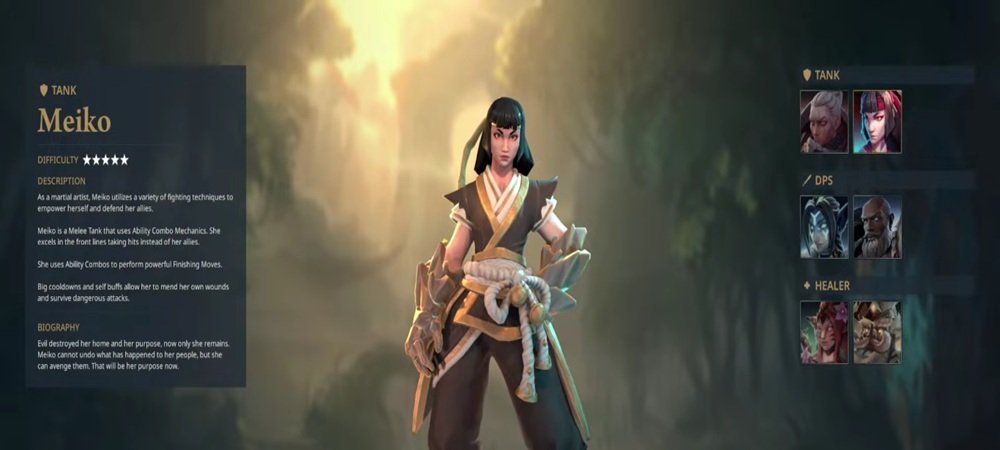
Success in Fellowship hinges on the classic “Holy Trinity” of tank, healer, and damage dealers (DPS). Mastering your role is non-negotiable, especially as the difficulty climbs.
- The Tank: You are the shield of the party. Your job is to initiate pulls, control enemy focus with taunts, and use your mitigation tools to smooth out incoming damage. Rushing in out of order can easily wipe the group on higher tiers.
- The Healer: You are the heart of the party. Your primary duty is to keep everyone alive, but a great healer also cleanses debilitating debuffs from allies and contributes damage when possible.
- The Damage Dealers (DPS): You are the sword of the party. Your focus is on dealing high damage, but you must also master the dance of combat: dodging telegraphed area effects and using your interrupt ability to stop key enemy casts. On higher difficulties, ignoring mechanics to chase damage meters is a sure way to fail.
Choosing a hero that fits your preferred style is crucial. Here is a look at common archetypes to help you decide:
| Role | Hero | Difficulty | Playstyle Summary |
|---|---|---|---|
| Tank | Helena | Low | A classic sword-and-board tank with straightforward, reactive abilities and strong defensive cooldowns. |
| Tank | Meiko | High | A complex tank who uses specific ability sequences to power up finishing moves for damage and self-healing. |
| Healer | Vigour | Medium | A sturdy healer who builds a secondary resource with basic abilities and spends it on powerful, direct heals and shields. |
| Healer | Sylvie | High | A versatile healer who relies on commanding companion spirits to heal allies and damage foes. |
| DPS | Rime | Low | A ranged spellcaster who generates and consumes a resource to unleash powerful, focused elemental spells. |
| DPS | Ardeos | Medium | A ranged specialist who applies lasting effects to enemies, building them up for a explosive payoff. |
| DPS | Mara | High | A nimble melee fighter who builds combo points to unleash powerful, situation-dependent finishing moves. |
Use Pings, Quick Phrases, and Short Calls
Fellowship’s dungeons scale in difficulty and add modifiers; teams that talk coordinate cooldowns, interrupts, and positioning faster. You don’t need a voice mic to be useful — in-game pings, concise text calls (“interrupt Sion!”, “save ult!”, “stack on me”) and your party will carry you. Treat runs as short sprints: pre-run pick the strategy (who will interrupt, who is peeling for adds, who gets the marker), and during the fight make short, actionable calls. Teams that keep communication simple and calm finish dungeons more often.
- Use 2–3-word calls; prioritize interrupts and major cooldowns.
Composition matters in Fellowship
Because dungeons scale and give modifiers, composition decisions (who brings crowd control, who has strong single-target burst, who can handle add waves) often matter more than minor gear differences. A classic balanced squad — one tank, one healer, two DPS with one DPS offering utility (stuns/CC or shielding) — will clear content more reliably than a stacked DPR party with no sustain.
- Tank (aggro & peel) + Healer (sustain) + AP DPS (burst) + Utility DPS (CC/shred).
Essential Tips
With the fundamentals covered, here is the collective wisdom that will separate you from the average adventurer.
- Master Your Interrupts: Before you even set foot in a dungeon, understand how your interrupt ability works. Many enemies have powerful, channeled spells that can devastate your party if not stopped. Learning to identify and interrupt these casts is one of the most critical skills for any role.
- Your Ultimate Ability is a Resource, Not a Relic: Your ultimate ability charges over time and from defeating enemies. Don’t hoard it for a “perfect moment.” Use it on tough elite packs or during boss phases to clear faster and smoother, which in turn charges it again more quickly.
- Gear Up Your Alts with Your Main: The tokens you earn in certain game modes are often account-wide. This means you can farm content on your well-geared main character and then use the tokens to buy a full set of starter gear for a new hero you want to try. It’s the fastest way to get an alternate character ready for action.
- Respect the Secondary Stats: Fellowship features secondary stats like Critical Strike, Haste, and Mastery. The game often features diminishing returns on these stats. Once you hit a certain threshold in any one of them, each additional point becomes less effective. Don’t just stack one stat blindly; spreading them out is often a more powerful approach.
- Customize Your HUD for Clarity: You are playing a fast-paced game where split-second reactions matter. Fellowship has a fully customizable HUD. Move your party frames to a more visible location, resize elements, and arrange your ability bars so you can absorb information at a glance. A clear interface is a key component of skilled play.
Final Thoughts
If Fellowship’s first dungeon is a storm, the fourth and fifteenth runs become choreography. That patient incremental improvement — the small “oh” when a mechanic finally clicks — is the game’s heartbeat. Approach each run as an experiment: what did the boss teach you? What did your teammates need? What will you change next run? Fellowship’s focused design rewards attention, cooperation, and the kind of friendly stubbornness that turns a ragtag party into a fellowship.